





How to Set Up a Commercial Gym: Equipment List, Layout and Budget
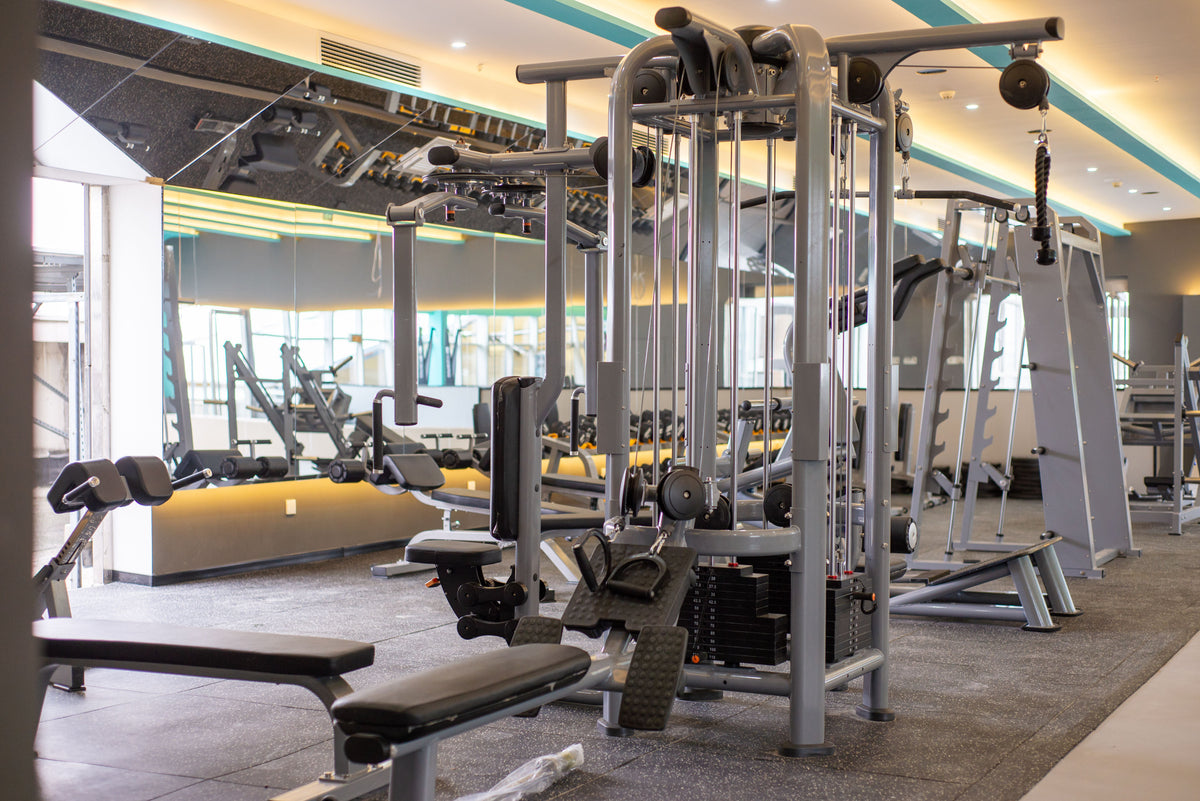
Setting up a commercial gym is harder than just buying equipment and making it work. A lot of people fall into the same trap: they buy machines that can do several exercises but only ever use them for one, or they buy the wrong machine for their space altogether.
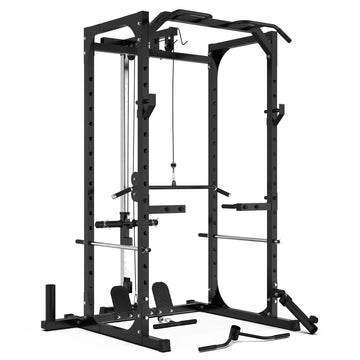
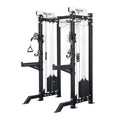
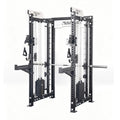
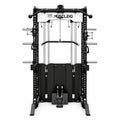
Take a standard power rack. Instead of a power rack in one corner and a functional trainer in another, you could have both in one frame. A Multi Functional Power Rack or a Spartan Pro gives you a power rack, cable stacks and, on the Spartan Pro, a lat pulldown and seated row. That one decision saves space and money, and frees up floor for more equipment. We explain how these work in our all-in-one home gym machine guide.
Plan your gym before you buy anything
Planning is the key to making a gym flow and work, whether it's for your members, your clients or yourself. People overlook this, and don't realise it's what makes or breaks a gym. A well-planned floor means members move from one zone to the next without queuing, walking through someone's set or waiting around for kit.
Split your floor into zones:
- Free weights: dumbbells, benches and plate storage, with mirrors.
- Racks and platforms: power racks, Smith machines and lifting space.
- Machines: plate-loaded and weight stack machines, grouped by body part.
- Cardio: treadmills, bikes, rowers and ski machines, near the entrance or windows.
- Functional: open floor for sleds, wall balls, kettlebells and boxes.
Sketch it out first. Our Home Gym Planner gives you a layout by space and budget, the Gym Flooring Calculator tells you how many mats you need, and the Rack Height Calculator checks your racks fit under the ceiling. Planning something bigger? Our commercial team can help with your layout.
Hybrid gyms: gym, HYROX-style and CrossFit-style in one space
A lot of gyms are now becoming a mix of a gym and HYROX-style training, a gym and CrossFit-style training, or even a bit of all three. People do far more hybrid training than they used to. With the rise of HYROX, members want the same kit at their gym as they'll face on race day, so their training matches the event.
That means making room for:
- A wall ball target and weight balls
- A weight sledge and track
- A SkiErg, air bike and curved treadmill
- Kettlebells, sandbags and plyo boxes
Keep a strip of open floor, ideally running the length of the room, for sled pushes and lunges.
Start with the basics: budget, space and goal
Setting up your gym starts with three basics: your budget, the size of the room and the goal of the gym. A strength gym, a PT studio and a hybrid gym all need different kit.
Always keep in mind how often the gym will be used. If it's being used many times a day, go fully commercial on your equipment. Over time, home-grade kit wears. Commercial-grade equipment doesn't wear as fast, lasts longer and is the right tool for the job. On cable machines, look for aluminium pulleys, which stay smooth far longer than plastic ones.
Flooring: the foundation of every gym
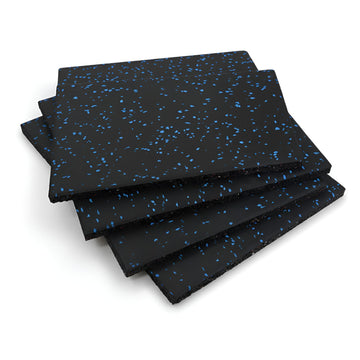
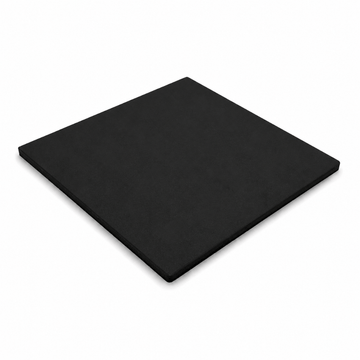
People overlook flooring and don't realise it's the foundation of any gym. It's a must. Use 20mm rubber gym flooring throughout. It protects the floor underneath, cuts noise, stops kit sliding and makes dropped weights safer. Use the Gym Flooring Calculator to work out how many mats you need.
Free weights
Free weights are the core of any gym:
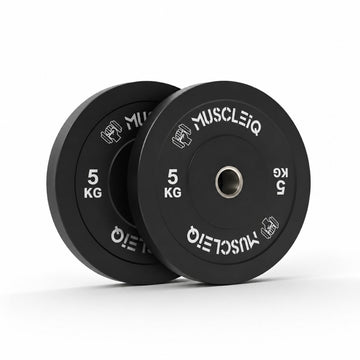
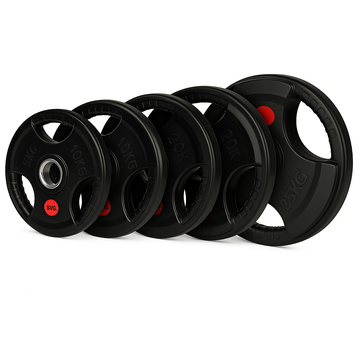
- Plates: bumper plates for lifting areas where weights get dropped, and cast iron plates for machines and racks.
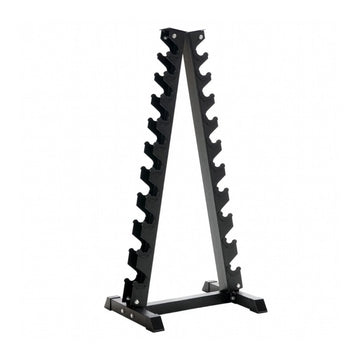
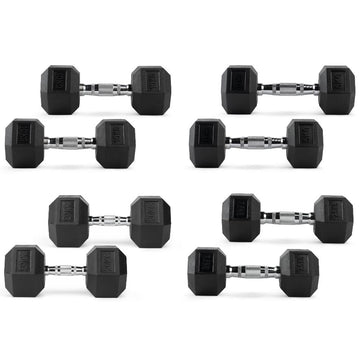
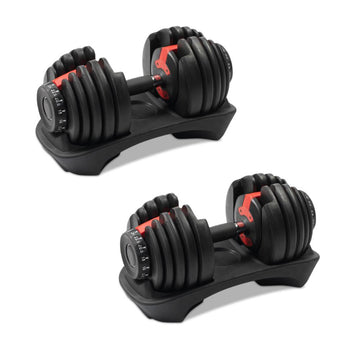
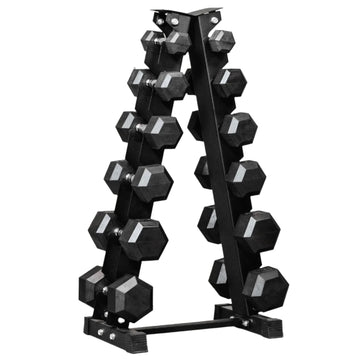
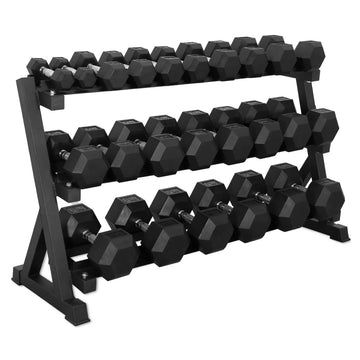
- Dumbbells: hex dumbbells or round dumbbells, usually in pairs up to at least 40kg, on a proper rack.
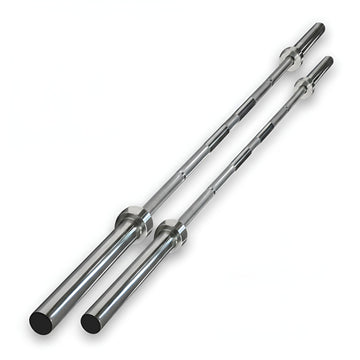
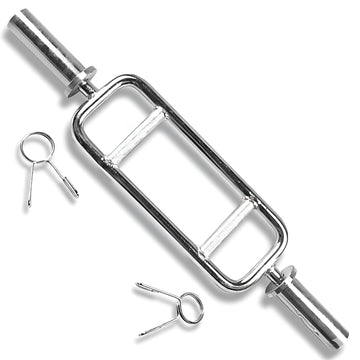
- Bars: Olympic barbells and collars.
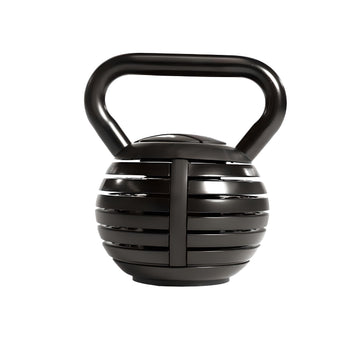
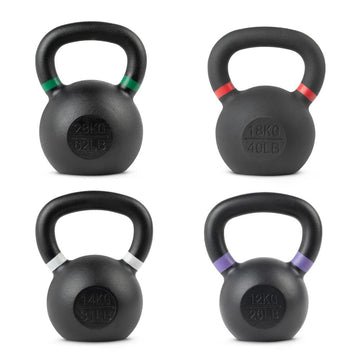
- Kettlebells: a run of kettlebells for classes and functional training.
Machines: plate-loaded or weight stack?
Next come the machines. You can choose plate-loaded or weight stack (selectorised) machines, and some machines work better one way than the other.
A chest press works better as a weight stack machine, because members can drop set just by moving the pin, without getting off the machine. A back row, on the other hand, is often more convenient as a plate-loaded machine: it's easy to load heavy, and every member feels the same smooth movement.
| Weight stack machines | Plate-loaded machines | |
|---|---|---|
| How you change weight | Move the pin | Add or remove plates |
| Best for | Drop sets, quick changes, beginners | Heavy loading, natural movement |
| Good examples | Chest press, leg extension and leg curl, seated leg press | Rows, split leg press, chest press for strength gyms |
| Space | Larger footprint with the stack | Usually more compact, but needs plate storage |
See the full line-up in our commercial range, from leg machines to plate-loaded rows and cardio.
Cable ratios in a commercial gym
Most cable machines in commercial gyms use a 2:1 ratio. It covers a wider range of weights for every member, from beginners to strong lifters, with smaller jumps between plates and a longer cable for full-range movements. Read our full guide: 1:1 vs 2:1 Cable Ratio.
Don't forget the small bits
The key is listing what you want, and in what style. When it comes to budget, always remember the small bits: resistance bands, foam rollers, micro plates, plyo boxes, yoga mats, skipping ropes and storage. They add to your budget very fast, so set money aside for them from the start.
Commercial gym equipment checklist
| Category | Examples |
|---|---|
| Flooring | 20mm rubber mats, lifting platforms |
| Racks and rigs | Power racks, Smith machines, all-in-one racks like the Spartan Warrior |
| Benches | Commercial FID benches, flat benches, preacher curl benches |
| Free weights | Hex or round dumbbells, kettlebells |
| Plates and bars | Bumper plates, cast iron plates, Olympic bars, collars |
| Weight stack machines | Chest press, leg extension and leg curl, seated leg press, functional trainer |
| Plate-loaded machines | Seated row, split leg press, pec fly and rear deltoid, bicep trainer |
| Cardio | Curved treadmill, air bike, SkiErg, stair climber, surf machine |
| Functional and hybrid | Sled and track, wall ball target, weight balls, sandbags, plyo boxes |
| Attachments | Rack attachments, cable attachments |
| Storage | Plate trees, dumbbell racks, barbell holders and more |
| Recovery and small kit | Resistance bands, foam rollers, yoga mats, micro plates |
Make it yours with custom branding
Want your gym to look like your gym? We can add your logo to plates and equipment, so your branding shows up in every member's photos. Ask about custom logo kit on our commercial gyms page.
How we can help
We supply gyms, PT studios, hotels and sports clubs across the UK. Tell us your space, budget and goal, and we'll help you plan the layout and put together an equipment list with project pricing.
- See our new commercial range and make an enquiry on any machine.
- Talk to our commercial team on the commercial gyms page.
- Planning a smaller space? Try the Gym Builder.
Frequently asked questions
What equipment do you need to open a commercial gym?
Flooring, racks, benches, free weights, plates and bars, a mix of weight stack and plate-loaded machines, cardio and a functional area. Use the checklist above as your starting point.
Should I buy commercial-grade or home-grade equipment?
Commercial-grade, if the gym is used many times a day. It wears more slowly, lasts longer and is built for constant use.
What flooring should a commercial gym use?
20mm rubber gym flooring throughout, with thicker platforms in lifting areas where weights are dropped.
Plate-loaded or weight stack machines?
Both. Weight stack machines suit quick changes and drop sets, like a chest press. Plate-loaded machines suit heavy loading, like rows and leg presses.
How do I plan my gym layout?
Split the floor into zones, keep walkways clear and sketch it before you buy. Our Home Gym Planner and commercial team can help.
Can I get my logo on gym equipment?
Yes. Ask our commercial team about custom logo plates and equipment.
Get a quote for your gym: contact our commercial team.


