




Should You Build Your Strength Training Around The Big Five Lifts?
The beauty of strength training is that it can be as complex or as simple as befits your workout style, with the ultimate goal of training all of your muscle groups in a way that provides a balanced level of strength.
One particularly popular workout regimen that has endured for decades is the Big Five Workout, a quintet of compound exercises that in combination form the foundation of any effective strength training workout.
It is so versatile that it scales from beginners loading up their barbells with weight plates for the first time all the way up to the higher echelons of competition.
What are the Big Five Lifts? What do they train? And how can you get the best results from each workout?
What Are The Big Five Lifts?
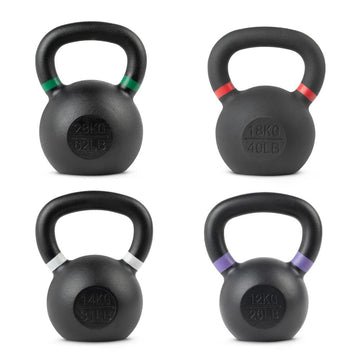
The Big Five is a nickname given to five particularly versatile lifts you can do either with a barbell, dumbbells, kettlebells or even resistance bands, that cumulatively train practically every muscle group in the body, making them perfect for beginners.
Whilst the definition can sometimes vary for reasons we will explore, the Big Five lifts typically consist of:
-
Squat - Specifically the full squat with the weight resting on the shoulders.
-
Deadlift - Lifting a barbell from the ground to hip height.
-
Bench Press - Lying on a weight bench, pushing weight from the chest up until your elbows lock.
-
Overhead Press - Pushing weight from your chest to over your head.
-
Barbell Rows - Lifting a barbell from your kneecaps up to your lower abdomen.
Training Big Five Lifts vs Competition Big Five Lifts?
Three of the Big Five lifts are used in powerlifting competitions in the exact same way you would do them in a gym, but the two lifts used in Olympic Weightlifting are somewhat different.
Whilst a variation of the overhead press was previously used in weightlifting competitions, the snatch and clean and jerk that are presently used are different from the barbell rows and overhead press they respectively resemble.
This is an important distinction, as when competition weightlifters talk about the “Big Five”, they are talking about the five disciplines used in powerlifting and weightlifting, although they do also challenge every muscle group and provide a complete challenge of overall strength.
Why Train In The Big Five Lifts?
The biggest reason to train in the Big Five is that these five lifts combined train every major muscle group and involve every major movement pattern the human body is expected to carry out:
-
The squat trains the knees to complete full range of motion.
-
The deadlift trains the hip hinge and hip flexors.
-
The bench press trains the horizontal push muscles.
-
The overhead press trains the vertical push muscles.
-
The barbell trains the horizontal pull muscles.
Compound exercises allow higher absolute loads to be lifted, which maximises hypertrophy and thus muscle rebuilding and strength gains. The Big Five lifts, particularly in combination, allow for a perfectly balanced workout regime.
In addition, all five exercises require a strong core to keep the body stable, which means that they all help to boost the abdominal and back muscles as a secondary benefit.
Finally, they are particularly scalable, allowing people to do the same exercise for months at a time without seeing diminishing returns or requiring further adaptation, which also provides a clear view of your progression.
How Should You Train In The Big Five Lifts?
The best part of the big five lifts is that you can fit them around your lifestyle. Start with five to ten minutes of cardio and simply do three sets of five reps (eight reps for the barbell row), with two minutes of rest between sets.
It does not require a gigantic time commitment, and you will notice progression remarkably quickly.
Does Order Matter?
Yes, you should put the most demanding movements later into your workout, and whilst everyone will be better at one lift than another, generally the following order is the best place to start:
-
Squat
-
Bench Press
-
Overhead Press
-
Barbell Row
-
Deadlift
Why Form Matters
-
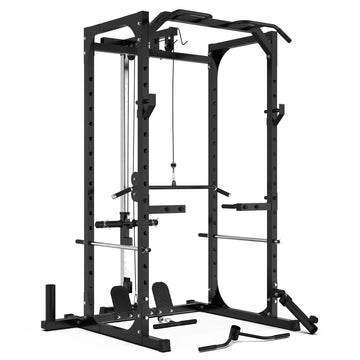
Squat - Use a squat rack and lower your hips below parallel if you can.
-
Bench Press - Even lying down, make sure that you plant your feet, press your back against the bench tightly, and make sure you lower the bar so it is touching your chest each rep.
-
Overhead Press - Squeeze your glutes, stand up straight and press overhead until your elbows lock.
-
Barbell Row - Avoid using your hips to give yourself more momentum. Keep your torso steady and use your back and biceps for the lift.
-
Deadlift - Keep your back flat, pull with your legs and make sure to lock your knees to complete the lift before gently lowering the weight.


